
African Notebook Market Trends 2025: Opportunities for Importers
Africa’s education sector is experiencing unprecedented growth. With over 64 million new tertiary-aged students expected by 2034, the continent presents a golden opportunity for notebook importers ready to meet surging demand. If you’re considering the African notebook market, now is the time to act.
As a notebook manufacturing company serving importers across Ghana, Kenya, Tanzania, and beyond, we’ve witnessed firsthand how this market is transforming. Let me share the trends shaping 2025 and practical strategies to help you succeed.
Why Africa’s Notebook Market Is Booming in 2025
The numbers tell a compelling story. The Middle East and Africa region leads global notebook market growth with a 4.05% CAGR through 2030. This outpaces both Europe and North America. What’s driving this surge?
First, consider the demographic reality. Africa’s population of 15-24 year-olds will grow from 265 million in 2024 to nearly 330 million by 2034. Countries like Nigeria, Ethiopia, Kenya, Tanzania, and Uganda are experiencing the most significant expansion. Each new student entering the education system represents consistent demand for exercise books, notebooks, and academic supplies.
Second, government investment in education is accelerating. Ghana and Kenya now offer free secondary education, dramatically increasing student enrollment. Tanzania’s notebook imports reached nearly $872,000 in just the first half of 2025, reflecting 619 separate import transactions. These aren’t just statistics—they represent real opportunities for wholesale notebook suppliers ready to serve this market.
Key Market Trends Shaping Importer Success
1. Academic Calendar Drives Seasonal Demand
Understanding timing is crucial for notebook importers in Africa. Tanzania’s import data reveals pronounced seasonal spikes in February and June, aligning with academic terms. Planning your orders 3-4 months ahead ensures products arrive when schools need them most. Miss this window, and you lose an entire selling season.
2. Product Diversification Is Essential
The African market demands variety. Import records show strong demand for spiral notebooks, hardcover notebooks, PU leather journals, and A4/A5 exercise books. Smart importers are stocking both affordable school stationery and premium branded products. Gift sets and customized notebooks are emerging as profitable niches for corporate and retail segments.
3. India Emerges as the Preferred Sourcing Destination
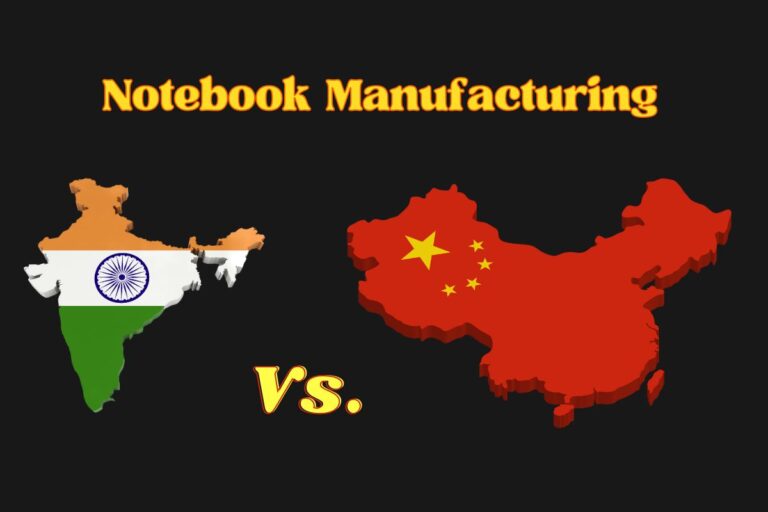
Here’s a trend many importers overlook: India now ranks as the world’s second-largest notebook exporter, commanding 12.3% of global exercise book exports. India holds the top exporting position in 11 countries, including Tanzania, and second position in Ghana. Why does this matter? Indian manufacturers offer competitive pricing, consistent quality, and established shipping routes to African ports.
Country-Specific Opportunities for Importers
Ghana: West Africa’s Education Hub
Ghana’s commitment to education makes it a priority market. With government-funded secondary education and rising literacy rates, demand for wholesale exercise books remains strong. Ghana-based importers benefit from India’s second-rank exporter status to the country, ensuring competitive supply chain options.
Kenya: East Africa’s Innovation Leader
Kenya’s Competency-Based Curriculum (CBC) reform is driving demand for specialized notebooks. The Digital Literacy Programme is transforming classrooms, yet physical notebooks remain essential for student learning. Kenya’s well-organized education system creates predictable ordering cycles for experienced notebook distributors.
Tanzania: A High-Growth Opportunity
Tanzania’s notebook import market involves 151 active importers sourcing from 144 exporters across 18 countries. This fragmented landscape presents opportunity for importers who can offer consistent quality and reliable supply. Dar es Salaam-based distributors dominate, serving both school and office markets.
Nigeria: Scale and Complexity
As Africa’s largest economy, Nigeria offers massive volume potential. However, regional disparities require careful market strategy. Northern states face unique challenges, while Lagos and southern regions show robust stationery consumption. Successful importers partner with local distributors who understand regional dynamics.
Practical Strategies for Market Entry
Start with Quality Assurance
African importers have learned hard lessons about inconsistent quality. Variation in paper GSM, binding strength, and print finishing damages reputations. Before committing to any notebook manufacturer, request samples and verify quality control processes. Look for suppliers with multi-stage QC inspection and relevant certifications.
Understand Compliance Requirements
Each African market has specific requirements. Labeling standards, safety certifications, and documentation needs vary by country. Work with suppliers who understand these requirements and can provide complete compliance documentation. This eliminates customs delays and protects your business reputation.
Plan for Logistics Realities
Shipping to African ports involves unique challenges. Transit times, port congestion, and inland transportation all affect your landed costs and delivery schedules. Partner with manufacturers who have established freight relationships and can offer flexible shipping terms (FOB, CIF, DDP). Real-time tracking and proactive communication prevent costly surprises.
Build Relationships, Not Just Transactions
The most successful African importers treat suppliers as partners. Regular communication, fair payment terms, and mutual respect create sustainable business relationships. At Sarbazo Group, we’ve built lasting partnerships with importers across 34 countries because we prioritize their success as much as our own.
Sustainability: The Emerging Differentiator
Eco-consciousness is rising across African markets, particularly in corporate and institutional segments. Nearly 47% of global consumers now prefer eco-friendly notebooks, and African buyers are following this trend. FSC-certified products and recycled paper options are becoming competitive advantages rather than nice-to-haves.
For importers targeting government tenders and large educational institutions, sustainability credentials increasingly influence purchasing decisions. Position your product range to include certified options alongside standard offerings.
What’s Next for African Notebook Importers?
The fundamentals driving Africa’s notebook market aren’t changing anytime soon. A young, growing population, expanding education systems, and increasing government investment create a stable foundation for growth. The global paper notebooks market is projected to reach $55.66 billion by 2035, with Africa capturing an increasing share.
For importers willing to invest in understanding local markets, building quality supplier relationships, and timing their inventory correctly, the opportunities are substantial. The question isn’t whether the African notebook market will grow—it’s whether you’ll be positioned to capture that growth.
Ready to Explore African Market Opportunities?
Navigating the African notebook market requires the right partner. At Sarbazo Group, we’ve helped importers across Ghana, Kenya, Tanzania, Nigeria, and beyond build profitable stationery businesses. Our understanding of regional requirements, combined with consistent quality and transparent pricing, makes market entry smoother.
Download our comprehensive product catalogue to explore our range of exercise books, spiral notebooks, and journals. Or contact us directly to discuss your specific market requirements. Let’s build something profitable together.