
Which Binding Style Wins for Your Wholesale Business?
Choosing between spiral notebooks and perfect bound notebooks is one of the most critical decisions wholesale buyers face. Each binding style serves different markets, user preferences, and price points. Get this decision wrong, and you could end up with slow-moving inventory that hurts your profit margins.
As a notebook manufacturer exporting to 34+ countries, we’ve seen importers struggle with this choice. Some buyers stock spiral notebooks when their market prefers premium bound journals. Others miss the office supply opportunity because they overlook spiral binding benefits. This guide breaks down everything you need to know to make the right sourcing decision for your specific market.
Understanding the Two Binding Methods
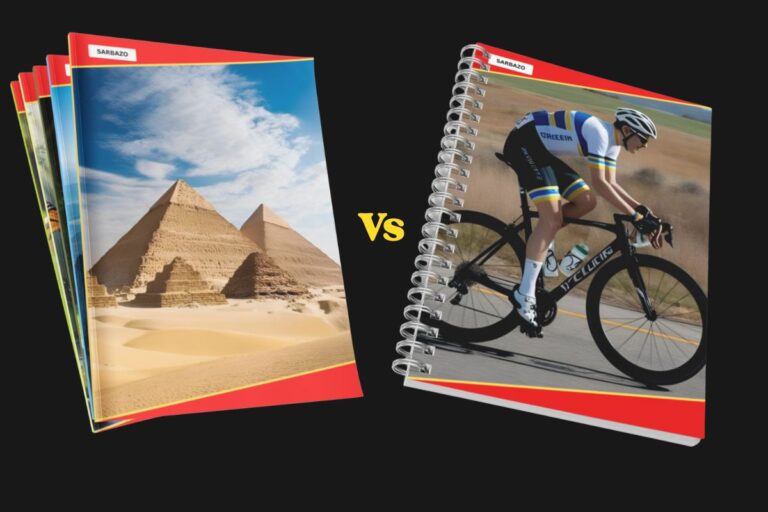
Spiral binding uses a continuous metal or plastic coil threaded through punched holes along the notebook edge. This method allows pages to rotate 360 degrees and lay completely flat during use. The coil remains visible on the notebook’s spine, giving it a functional, practical appearance.
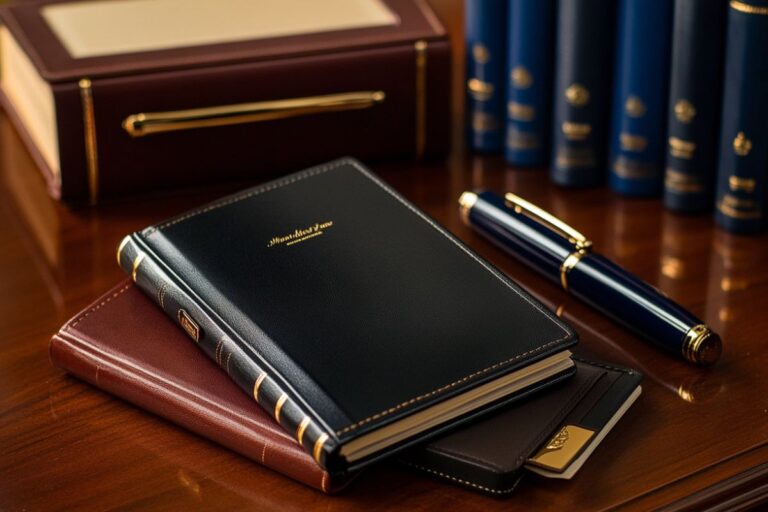
Perfect binding uses adhesive to attach pages directly to the spine cover. The pages are trimmed flush, creating a clean, professional edge similar to paperback books. This method hides the binding mechanism entirely, resulting in a sleek, finished look that appeals to premium markets.
Both methods have evolved significantly. Modern spiral bound notebooks feature reinforced holes and durable coils that withstand heavy use. Today’s perfect bound notebooks use flexible adhesives that prevent page separation even with frequent opening.
Durability and Longevity Comparison
Durability matters because customer complaints about binding failures damage your reputation and lead to returns. Here’s how each method performs under real-world conditions.
Spiral notebooks excel in heavy-use environments. The coil mechanism distributes stress evenly across all pages, preventing the concentrated wear that causes binding failures. Students opening notebooks hundreds of times during a semester rarely experience coil problems. Office workers flipping through meeting notes daily can rely on spiral durability.
Perfect bound notebooks require more careful handling. The adhesive spine can crack if forced flat repeatedly, and pages near the binding may loosen over time with aggressive use. However, quality perfect binding using PUR (polyurethane reactive) adhesive significantly improves longevity. Premium journals with proper binding can last years without page separation.
For markets prioritizing durability over aesthetics—schools, offices, field work—spiral binding typically delivers better long-term performance. For gift markets and premium positioning where careful handling is expected, perfect binding provides adequate durability with superior presentation.
Functionality and User Experience
How customers actually use notebooks should drive your sourcing decisions. Different binding methods create distinctly different user experiences.
Spiral notebooks offer practical advantages that users appreciate daily. Pages lay completely flat on any surface, making writing comfortable without holding pages down. The 360-degree fold allows users to fold the notebook in half, saving desk space in cramped environments. Easy page removal lets users tear out notes to share or file without damaging remaining pages. These features make spiral notebooks the practical choice for students, professionals, and anyone prioritizing functionality.
Perfect bound notebooks create a different experience. The solid spine allows for spine labeling and easier organization on bookshelves. The book-like feel appeals to users who see their notebooks as keepsakes or important records. Writing near the spine gutter can be challenging since pages don’t lay perfectly flat, but many users accept this trade-off for the premium presentation.
Consider your target customer’s daily routine. A student taking notes across multiple classes benefits from spiral functionality. A professional journaling their career achievements prefers the premium feel of perfect binding.
Cost Factors for Wholesale Buyers
Understanding the cost structure helps you price products correctly and identify margin opportunities. Several factors influence the final cost of each binding type.
Spiral binding typically costs less per unit at wholesale volumes. The binding process is faster, requiring fewer production steps. Metal coils cost more than plastic but offer premium positioning opportunities. Plastic coils reduce costs further while maintaining adequate durability for most applications.
Perfect binding costs vary significantly based on quality. Basic EVA (ethylene vinyl acetate) adhesive binding costs comparably to spiral. Premium PUR adhesive binding costs more but dramatically improves durability and allows for thicker page counts without binding failure.
Shipping costs favor perfect bound notebooks slightly. Their flat spines pack more efficiently, reducing wasted container space. Spiral notebooks with protruding coils require more careful packing to prevent damage and take slightly more space.
For wholesale notebook buyers focused on volume markets like schools and offices, spiral binding often delivers better margins. For premium and gift markets where customers pay for presentation, perfect binding justifies higher price points.
Market Applications and Customer Preferences
Matching binding types to specific market segments maximizes your sales potential. Different customer groups have distinct preferences based on their use cases.
The educational sector strongly favors spiral notebooks. Students need to write on both pages simultaneously without fighting the binding. Teachers appreciate easy page removal for handouts. Schools ordering in bulk prioritize durability and cost efficiency over aesthetics. Spiral notebooks dominate classroom supply lists globally.
Corporate and office markets split between both binding types. General office notebooks lean spiral for practicality. Executive journals and branded corporate gifts favor perfect binding for the premium impression. Meeting notebooks could go either way depending on company culture and positioning.
Retail and gift markets prefer perfect bound notebooks. The book-like appearance displays better on store shelves. Gift buyers perceive perfect binding as higher quality and more suitable for presents. Premium journals and diaries almost always use perfect binding to justify premium pricing.
Understanding these preferences helps you stock the right mix. Importers serving educational distributors should prioritize spiral. Those supplying gift shops and bookstores need perfect bound options prominently in their catalog.
Customization Possibilities
Both binding methods offer customization options, but with different strengths and limitations that affect your product development strategy.
Spiral notebooks provide coil color customization opportunities. Matching coil colors to cover designs creates cohesive branded products. Plastic coils offer unlimited color matching. Metal coils come in standard colors but provide a premium metallic finish. Cover customization works identically to other notebook types with full printing capabilities.
Perfect bound notebooks allow spine printing—a significant branding advantage. Your customer’s logo and notebook title can appear on the visible spine when shelved. This visibility matters for retail display and organized office storage. The flat spine also enables debossing and foil stamping for luxury positioning.
Page count flexibility differs between methods. Spiral binding accommodates varying page counts easily by simply using longer or shorter coils. Perfect binding has minimum and maximum page count limitations—too few pages won’t bind properly, too many cause spine cracking issues.
For custom notebook orders, consider how your customers will use customization. Corporate clients wanting shelf-visible branding need perfect binding. Schools wanting durable, functional branded notebooks often prefer spiral.
Quality Indicators to Watch
Quality varies significantly within each binding category. Knowing what to inspect helps you avoid supplier problems and customer complaints.
For spiral notebooks, check coil gauge thickness—thicker coils resist bending and deformation better. Inspect hole reinforcement; quality notebooks have reinforced holes preventing page tear-out. Test the coil closure; ends should be crimped securely so they don’t snag on bags or scratch surfaces. Verify page alignment ensuring all pages rotate smoothly without catching.
For perfect bound notebooks, test the spine flexibility. Quality binding allows moderate opening without cracking. Check page adhesion by gently tugging pages near the spine—they shouldn’t separate easily. Examine the spine glue line for evenness; inconsistent adhesive application causes premature binding failure. Verify cover attachment remains secure under normal handling stress.
Request samples before committing to large orders. Our product catalogue provides specifications, but physical samples reveal quality details that descriptions cannot capture. Reputable manufacturers welcome sample requests and provide honest assessments of their binding quality.
Making Your Sourcing Decision
Your final decision should balance market demands, target customer preferences, and business objectives. Consider these questions when choosing between spiral and perfect bound notebooks for your inventory.
Who are your primary customers? Educational distributors need spiral notebooks predominantly. Gift and premium retailers need perfect bound options. General office suppliers need both in strategic proportions.
What price points does your market support? Price-sensitive markets favor spiral’s cost efficiency. Premium-accepting markets justify perfect binding’s higher costs.
What competition do you face? If competitors dominate spiral notebooks, consider differentiating with premium perfect bound offerings. If the market lacks quality spiral options, that gap represents opportunity.
A balanced approach often works best. Stock spiral notebooks for volume sales and market penetration. Offer perfect bound notebooks for premium positioning and margin enhancement. This strategy covers market segments while optimizing your overall product mix profitability.
Partner with a Manufacturer Who Offers Both
Working with a single notebook manufacturer capable of producing both binding types simplifies your supply chain and ensures consistent quality across your product line. You benefit from consolidated shipping, unified quality standards, and simplified communication.
At Sarbazo Group, we manufacture both spiral bound and perfect bound notebooks with the same commitment to quality. Our FSC certification and three-stage quality control apply equally to both binding methods. Whether you need 10,000 spiral notebooks for school season or 5,000 premium bound journals for corporate gifting, we deliver consistent quality and competitive pricing.
Ready to discuss your specific binding requirements? Contact our export team with your specifications, and we’ll help you choose the right binding type for your market success.